image description

Posts Tagged ‘Sleep’

Currently viewing page 6 of 7First234567

PART 2: Narcolepsy, an Interesting Case

Tuesday, June 15th, 2010

Today, I will discuss an important hormone called ghrelin, which was first identified 10 years ago. Ghrelin is produced in the stomach when blood sugar is low. From there, it goes from the blood stream to the brain where it stimulates hunger. After you eat, the food suppresses thefurther release of ghrelin for a few hours and then ghrelin slowly starts to rise again, and the cycle repeats.


As you remember from Part 1, people with narcolepsy have a decreased appetite yet are overweight. Since ghrelin stimulates hunger, our research group wanted to see if ghrelin levels were altered in narcolepsy, but we found is that ghrelin is NOT altered in these patients (as you can see in the graph). If we had shown that ghrelin was decreased, it might help explain why narcoleptics eat less. At the moment, that mystery still eludes us.


This finding highlights an important concept: for biological processes fundamental to our survival, there are many systems in our bodies that work together and there are many systems that work independently. This sort of redundancy is useful, so in case one system is impaired or broken, the organism may still be able to survive!


In my mind, this is why a pill will never be the complete answer. The system is far too complex. If you affect one part of a complex system, other parts will adjust and compensate. Ultimately, we need to make adjustments to our behavior to get the effects we desire.

PART 1: NARCOLEPSY, AN INTERESTING CASE

Friday, June 11th, 2010

I just returned from the Sleep Neuroscience meeting in San Antonio. While I was there, I presented a poster on the research I’m doing in collaboration with Leiden University Medical Center in Holland. This Dutch group is renowned for their research in sleep and metabolism, and they have a particular interest in the disorder narcolepsy.

When most people think of narcolepsy, they think of sleepiness. However, people with narcolepsy have two other interesting features about them, particularly interesting when you think of the two features together: 1) they have a greater tendency to become obese compared to control subjects without the disorder, and 2) they also are ‘hypophagic’, which means then consume FEWER calories when compared to people of similar size. So, they eat less and are overweight.

The story is actually fascinating on many levels. People with narcolepsy are missing a protein in their brains called ‘orexin.’ That protein not only helps to coordinate our sleep wake cycles, but it’s also hypothesized to coordinate hormone response to energy status. In other words, orexin coordinates feeding depending on energy levels in the blood. Specifically, when your blood glucose (sugar) levels fall, orexin neurons are activated, which sets off a cascade of actions that promote food seeking and help to prepare the entire food-ingestion pathway (e.g., salivation, stomach acid production, intestinal motility, etc).

In part 2 of this post, I’ll discuss what we studied specifically in this research project and introduce you to another hormone that is of great interest in the research field related to energy (e.g, fat and carbohydrates) regulation in our bodies, called ‘ghrelin.’

Have a great weekend, everyone!

Community question: ALCOHOL AND SLEEP?

Thursday, April 29th, 2010

31298_387176993171_96959938171_3994579_4023049_n

Q: A comment on the previous post posed the question “does alcohol affect sleep”?
A: Yes, it does.

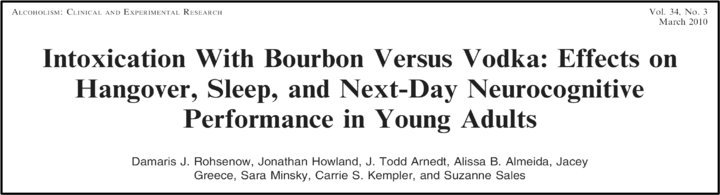
For example, a study just published in March compared the effects of bourbon, vodka, and placebo (a non-alcoholic drink) on sleep, hangover, and next-day cognitive performance. The investigators had people drink to achieve a breath alcohol level of 0.10% (the legal limit for driving in most states is 0.08%). They found that both types of alcohol significantly decreased the percent of time that people slept and the amount of time they spent in REM sleep (the stage of sleep during which we dream), and increased the amount of time spent awake after having fallen asleep and the amount of next-day sleepiness.

So, even though people reported having a greater hangover after drinking Wild Turkey compared to Absolut (participants did not know what they were drinking at the time), the effects of both types of alcohol were the same - alcohol disrupts normal sleep.

Currently viewing page 6 of 7First234567