image description

Better school lunches Part I: Nutritional Change

Two weeks ago the Food and Nutrition Service of the USDA published a final ruling in the Federal Register describing changes to the nutritional standards of the school breakfast and lunch programs across the country. Here is a summary of the changes that are forthcoming, with our take on each of the major changes.

Menu Planning

“To ensure that school meals reflect the key food groups recommended by the Dietary Guidelines, this final rule establishes Food-Based Menu Planning as the single menu planning approach for the National School Lunch Program (NSLP) (including for Pre-K meals) in SY 2012–2013.”

We applaud this move as we feel that menus should be planned by whole food groups as opposed to “gaming the system” with processed and fortified food that technically meet macro- and micro-nutrient levels, but that do not really resemble any actual plant or animal that we should be eating.

Calories

“This final rule is intended to respond to serious concerns about childhood obesity, and the importance for children to consume nutritious school meals within their calorie needs. Therefore, this rule implements the proposed minimum and maximum calorie levels for each grade group.”

We applaud this move. Portion control and the relative calorie contents of different types of foods are important things for children to learn about.

Vegetables

“This final rule establishes vegetables as a separate food component in the NSLP, and requires schools to offer all the vegetable subgroups identified by the 2010 Dietary Guidelines (dark green, red/orange, beans and peas (legumes), starchy, and other) over the course of the week at minimum required quantities as part of the lunch menus in SY 2012–2013. This final rule also allows schools the option to offer vegetables in place of all or part of the fruits requirement at breakfast beginningJuly 1, 2014. This is consistent with the Dietary Guidelines’ recommendation to eat a variety of vegetables, especially dark green, red and orange vegetables, and beans and peas (legumes). This recommendation is applicable to the school meals because most vegetables and fruits are major contributors of nutrients that are under-consumed in theUnited States, including potassium and dietary fiber. Consumption of vegetables and fruits is also associated with reduced risk of many chronic diseases, including obesity, heart attack, stroke, and cancer. By providing more and a variety of vegetables in a nutrient-dense form (without added solid fats, sugars, refined starches, and sodium), schools help students obtain important nutrients, and maintain a healthy weight.”

We applaud this move to encourage vegetable consumption and allow programs to sub vegetables for fruits, which tend to have higher sugar content.

Fruits

“This final rule establishes fruits and vegetables as separate food components in the National School Lunch Program (NSLP) and adds a fruits requirement at lunch beginning School Year 2012–2013. The intent of the new requirements is to promote the consumption of these fruits, as recommended by the Dietary Guidelines. Fruits (and vegetables) that are prepared without added solid fats, sugars, refined starches, and sodium are nutrient rich foods and supply important nutrients that are under-consumed by school children in the United States (including potassium and dietary fiber) with relatively few calories.”

We applaud this move, which recognizes the differences between fruits and vegetables and encourages the consumption of whole, unadulterated fruit.

Snacks and Fortified Products

“One of the goals of the School Meal Programs is to help children easily recognize the key food groups that contribute to a balanced meal, including fruits and vegetables. This final rule disallows the crediting of any snack-type fruit or vegetable products, and continues the crediting of tomato paste and puree as a calculated volume under § 210.10(c)(2)(iii) of the regulatory text.”

We applaud this move that does not allow programs to count things like gummy fruit snacks and fruit roll-ups as fruit (because they’re not).

Meat/Meat Alternates

“Schools must offer at least a minimum amount of meat/meat alternate daily (2 oz eq. for students in grades 9–12, and 1 oz eq. for younger students), and provide a weekly required amount for each age/grade group. Offering a meat/meat alternate daily as part of the school lunch supplies protein, B vitamins, vitamin E, iron, zinc, and magnesium to the diet of children, and also teaches them to recognize the components of a balanced meal. Menu planners are encouraged to offer a variety of protein foods (e.g., lean or extra lean meats, seafood, and poultry; beans and peas; fat-free and low-fat milk products; and unsalted nuts and seeds) to meet the meat/meat alternate requirement.”

We like the idea of having at least a minimum amount of protein in the diet, but we have some concern about how this guideline will actually be implemented. For example, if “meat alternates” are relied upon too heavily because they are cheaper than meat, kids could end up eating a ton of tofu, beans, and peanuts, which would be less than ideal. In addition, we can assume that most, if not all, programs will not be using grass-fed beef or sustainably sourced seafood, in which case, the value of meat in the diet decreases dramatically.

Milk

“This final rule allows flavor in fat-free milk only, and fat-free and low-fat choices only (consistent with Dietary Guidelines recommendations and the NSLA as amended by the HHFKA). Flavored lowfat (1 percent or 1⁄2 percent) milk is not allowed in the NSLP or theSBP(breakfast) upon implementation of the rule in SY 2012–2013 because it contributes added sugars and fat to the meal and would make it more difficult for schools to offer meals that meet the limits on calories and saturated fat. We anticipate that the new calorie limits will lead menu planners to select milk with the lowest levels of added sugar.”

This feels like a mistake. The problem of added sugar to milk is clearly acknowledged, yet the guidelines make the assumption that the calorie limits will help scale back the amount of sugar that is added to milk. I guess we’ll have to wait and see. As an alternative, the guidelines could allow for the flavoring of milk, but without added sugar. Fat could (and perhaps should) be allowed, and a smaller serving size could account for any increase in calories. Not mentioned anywhere is whether the cows who are providing this milk are raised on grass or are treated with hormones.

Saturated Fat

“This final rule implements the proposed saturated fat standard, which is the same as the restriction currently in place in the NSLP andSBP. Schools must continue to limit saturated fat in the school meals to help reduce childhood obesity and children’s risk of cardiovascular disease later in life. Many schools are still having difficulty meeting this requirement in the NSLP. Several major sources of saturated fat in the American diet are popular items in the lunch menu. This final rule implements two new requirements set forth in the proposed rule and are anticipated to encourage schools to reduce the saturated fat in meals: allowing only fat-free and low-fat milk, and establishing maximum calorie limits. USDA’s technical assistance will continue to emphasize the need to purchase and prepare foods in ways that help reduce the saturated fat level in school meals (e.g., procuring skinless chicken or using meat from which fat has been trimmed, and using vegetable oils that are rich in monounsaturated and polyunsaturated fatty acids such as canola and corn oils). This rule does not require schools to meet a total fat standard under current regulations. TheIOMreport did not recommend that USDA require a total fat standard for school meals. The expectation is that the new meal requirements, including the dietary specifications for calories, saturated fat and trans fat, will enable schools to offer meals that are low in total fat.”

No! We need a more nuanced understanding of fats here! I guess that if you’re not going to use milk or meat from animals raised on pasture, then it makes sense to try to avoid the fats in these products (although supporting the production of pasture-based animals, would be a strong, positive, and healthy statement by the large USDA and NSLP). However, the answer is definitely not to use vegetable oils such as corn and canola. This guideline has to get a thumbs down.

Trans Fats

“This final rule requires that food products and ingredients used to prepare school meals contain zero grams of added trans fat per serving (less than 0.5 grams per serving as defined by FDA) according to the nutrition labeling or manufacturer’s specifications.”

Amen.

Sodium

“Reducing the sodium content of school meals is a key objective of this final rule reflecting the Dietary Guidelines recommendation for children and adults to limit sodium intake to lower the risk of chronic diseases. USDA has encouraged schools to reduce sodium since the implementation of the School Meals Initiative in 1995. According to the SNDA–IIIstudy, the average sodium content of school lunches (for all schools) remains high: More than 1400 mg. Therefore, this final rule requires schools to make a gradual reduction in the sodium content of the meals, as recommended byIOMand consistent with the requirements of the FY 2012 Agriculture Appropriations Act.”

Double amen. Phasing out corndogs should get you about half the way there.

Grains

“In SY 2012–2013 and SY 2013–2014 (the first two years of implementation) whole grain-rich products must make up half of all grain products offered to students. During this time only, refined grain foods that are enriched may be included in the lunch menu. In SY 2014–2015 (the third year of implementation) and beyond, schools must offer only whole grain-rich products. In theSBP, this final rule provides that schools must offer the weekly grain ranges and half of the grains as whole grain-rich beginningJuly 1, 2013(SY 2013–2014, the second year of implementation). All grains offered in theSBPmust be whole grain-rich in SY 2014–2015 (the third year of implementation) and beyond. Once schools meet the daily minimum grain quantity required (1 oz. eq. for all age grade groups) for breakfast, they are allowed to offer a meat/meat alternate in place of grains. The meat/meat alternate can count toward the weekly grains requirement (credited as 1 oz. eq. of meat/meat alternate is equivalent to 1 oz. eq. of grain). This modification is intended to retain the flexibility that menu planners currently have to offer a combination of grains and meats/meat alternates at breakfast. In this final rule, to receive credit in the meal programs, a whole grain-rich food must contain at least 51 percent whole grains and the remaining grain content of the product must be enriched.”

Ok, this might represent a compromise for us paleo-types. It would be crazy to think that the USDA would suddenly turn its back on whole grains, but it is likely a good thing to start reducing the amount of (first impoverished, then “enriched”) grains in these meals. This change will not eliminate all of the grain toxins from the diet, but it might help reduce the glycemic index of many of the foods that are available.

All in all, these guidelines seem like a step in the right direction. They are not perfect, but making changes to large Federal programs is not easy and this seems like a good first step.
Should we regulate sugar?

Last week, Robert Lustig and colleagues at UCSF published a letter in the journal Nature about the public health consequences of consuming sugar. The letter is behind a paywall, but you can view a brief (5:30 min) interview with the authors here. The basic idea is that, like excessive consumption of alcohol or tobacco, there are negative individual and societal consequences resulting from the excessive consumption of sugar. Therefore, the authors argue that some regulation of sugar (like alcohol and tobacco) might be in order. The authors also argue that although the thought of regulating sugar might seem radical or outrageous to some, many public health measures or campaigns (e.g., distributing condoms or getting vaccinations) were controversial before becoming mainstream.

So, what exactly would the regulation of sugar look like? When I teach students about drug policy, I try to make absolutely clear that there are BOTH societal costs associated with drugs (overdoses, accidents, health problems) AND societal costs associated with drug policy (enforcement, incarceration, black markets). As such, one cannot have a serious conversation about drug policy without acknowledging both types of costs (this is often where the conversation between “drug legalizers” and “drug warriors” breaks down). Moreover, we need to remember that the ultimate goal is to reduce both types of costs - or in the words of an actual policy expert, we need to find ways to have less crime and less punishment.

So, from a policy perspective, this is where the rubber meets the road. How dangerous is sugar? Is there any safe level of sugar consumption? What type of regulations should be employed? Would those regulations result in other negative consequences?

This is where things can start to get pretty hairy. If sugar was banned outright or taxed and regulated at a high or differential levels, we could expect the growth of black markets (see: alcohol during prohibition or smuggling cigarettes across state lines). If the regulations involve attempts to limit access to sugar like we try to limit access to alcohol (e.g., by age, quantity limits, location of purchase, or time of day), then what would the costs associated with enforcing these rules add up to, and how would those costs compare with the public health costs of free access to sugar? You might also wonder if different types of sugar would be taxed or regulated in different ways. Should fructose be regulated differently than sucrose, lactose, or maltose? And, what might the consequences of that regulation be? Should a can of soda/pop be regulated differently than a piece of fruit or a glass of orange juice? Why?

I don’t have all of the answers to these questions, but I do think that they are good questions to be thinking and talking about. In addition, if you like the idea of regulating sugar, you can start regulating it in your personal life immediately. For example, some diets impose quantity limits (no refined sugar and no more than one serving of fruits or berries per day). Some people restrict availability by not bringing certain products into their home. And, some people restrict access based on age by not allowing their children to consume excessively sugary beverages. So, what do you think folks? Should sugar be regulated on a large scale? How do you already regulate your sugar intake?

Death Will Eat Itself (The Enormous Benefits of Autophagy, or Why You Should Stop Eating Once in Awhile)

Today we feature a new article from, JD Moyer of the blog Systems for Living Well:

About a year ago I became interested in the benefits of intermittent fasting after reading a number of articles on Martin Berkhan’s Leangains site. Martin is a Swedish nutritional consultant/personal trainer/writer. His recommendations run contrary to conventional wisdom among personal trainers, but his ideas are well-researched and accompanied by numerous examples (pictures) of his own physique and the physiques of his clients, who are all very muscular and impressively lean. Martin’s writing style is bombastic, confrontational, and entertaining, but also thorough, persuasive, and rich in citations.

Martin’s main idea is that intermittent fasting can assist with fat loss and muscle growth simultaneously. Most weight-lifters would tell you that both “growth phases” (where muscle and fat are added simultaneously) and “cutting phases” (where calories are restricted and fat is lost) are required. Martin calls B.S. on that idea, and provides ample evidence that restricting eating to an 8-hour daily “window” (only eating between 2pm and 10pm, for example), combined with simple, consistent workouts can allow a person to get leaner and stronger at the same time.

My Own Experience

At this point in my life I’m not looking for a radical change in my physique, but Martin’s posts piqued my curiosity enough to give intermittent fasting a try. I decided I would “dip a toe in” and try not eating until 2pm, one day a week.

I found it to be easier than expected. On my partial fast days, I only drink water and black coffee until 2pm. I rarely experience any hunger pangs (though I do look forward to my first meal more than I would otherwise). Here are a few other subjective observations:


  • I feel a bit colder, during the winter I usually wear an extra layer on fasting days.
  • I feel mentally clear; fasting days are great writing and/or music composition days.
  • I usually double my productivity on fasting days. I think this is a combination of having better concentration and being less vulnerable to distractions, and the extra time from not having to prepare food or clean up after meals.
  • I usually eat two meals on partial fast days, one around 2pm, and dinner around 6 or 7. These meals tend to be larger than normal. I don’t count calories, but I suspect my caloric intake is less than on normal eating days, even though I eat until I’m full.

What Is Autophagy, and Why Is It Good For You?

Autophagy — it sounds like some kind of disease from the Star Trek universe. In fact, autophagy is a normal biological process. During autophagy, organelles called lysosomes break down waste products inside the cells. What’s an organelle? An organelle is a tiny part of your cell, usually with its own membrane, that serves a specific function (like a cellular organ). Lysosomes break down other worn-out organelles, digest food particles, and destroy viruses and bacteria (using hydrolase enzymes). You could think of them as the stomach of the cell, and/or part of the cellular immune system.

(Photo caption: Artistic depiction of a lysosome during autophagy).

Autophagy can even extend to include the destruction of the cell itself, a process called autolysis. For this reason, lysosomes are sometimes dubbed “suicide bags.”

Without autophagy, damaged organelles survive, and cells become less efficient. Autophagy may protect against neurodegeneration, viral and bacterial infections, and cancer.

Short-term fasting can induce autophagy. I can’t find any clinical studies in humans showing precisely when autophagy ramps up in response to fasting. Liver glycogen stores are depleted 12-16 hours into a fast, and it follows that autophagy would ramp up soon after (Berkhan recommends a 14-16 hour daily fast as part of the Leangains protocol). If I have my last food of the day around 8pm, then don’t eat until 2pm the next day, that’s an 18 hour fast. So my one-day-a-week half-day fast is probably enough to upregulate this powerful physiological process for at least a couple hours.

My own crude way of thinking about autophagy is that this process “cleans out the gunk.” By inducing autophagy, I allow my body to break down old mitochondria (the “energy producers” of the cell), destroy viruses and bacteria, and suppress chronic infections.

What was that last bit? Chronic infections? How bad is it, J.D.?

We’re All Infected

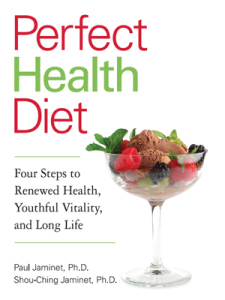
Well, I have some bad news for you. We all have chronic infections. I’ve been reading The Perfect Health Diet by Paul Jaminet and Shou-Ching Shih Jaminet (thanks Dan Pardi for sending it to me, and thanks Tyler Simmons for recommending it — I’m planning on writing a review post soon). There’s a great section towards the end of the book about chronic infections. Unless you’ve lived in a bubble your whole life, you’ve probably got at least one of the following infections:

  • Cytomegalovirus (CMV) — infection rate among adults in the U.S. is between 50-80%
  • HSV-1 — the virus that causes cold sores is found in about 60% of people in the U.S.
  • Toxoplasmosis — you can pick up this protozoan parasite from handling cat poop or eating undercooked meat. In the U.S. only 10% of the population carries antibodies, but infection rates in other parts of the world are up to 60%

All three of these infections are generally considered “harmless” in the non-immunocompromised, but even people showing no symptoms may suffer long-term effects from these infections. Toxoplasmosis infection may slow reflexes and is associated with a sharply higher rate of car accidents. Long-term HSV-1 infection may be a cause of Alzheimer’s disease. Other extremely common chronic infections include C. pneumoniae (also associated with Alzheimer’s, as well as atherosclerosis, stroke, multiple sclerosis, arthritis, and rosacea) and H. pylori (which causes stomach ulcers). The adenovirus AD-36 is present in about 20% of the population and may contribute to obesity (as well as causing respiratory and eye infections).

(Photo caption: The Perfect Health Diet [includes ice cream])

In most cases we’re not even aware of all of our viral and bacterial infections, as many of them start off giving us vague symptoms when we’re first infected, then become asymptomatic in their latent phase. I only became aware that I had picked up CMV after giving blood and losing my CMV-negative status (before, they could give my blood to newborn babies, now they can’t). With hindsight, I realized that I probably got CMV around the time my daughter started preschool. For a couple months around that time I had a slightly swollen submandibular salivary gland. My doctor examined me, shrugged, and said “doesn’t feel like cancer … probably a virus … check back with me in six months if it hasn’t gone away.” Well, the swelling went down, but I later learned that the salivary glands are a common site for CMV infection.

So, we’re all infected. Should we be freaking out, driving to Vegas, and blowing our life savings on one last wild weekend?

Relax, it’s not that bad.

First of all, some chronic infections actually have protective or even positive side effects. H. pylori can cause stomach ulcers, but it is also be protective against GERD (acid reflux), thus protecting against oesophageal cancer. Hookworm infection may protect against symptoms of celiac disease. In some cases parasites have evolved ways to “tamp down” immune responses, thus preventing autoimmune diseases. The basic idea behind the “hygiene hypothesis” is that when our immune systems are underutilized fighting external pathogens (viruses, bacteria, parasites, etc.), the immune system is more likely to malfunction and turn against our own tissues (resulting in more allergies, asthma, and other autoimmune problems).

Still, these infections often prove to be our undoing in the long-run, either by robbing our bodies of resources, causing chronic low-grade inflammation, or slowing invading and damaging internal organs. It’s in our best interest to keep these chronic infections in check.

The Perfect Health Diet recommends eleven ways to enhance immunity and fight chronic infections, but I think that list is too long. Who’s going to do eleven things? I’ve shortened the list to the four most important/effective/doable, IMO:

  1. Get vitamin D levels to within an optimal range (to boost intracellular immunity and increase production of antimicrobial peptides)
  2. Reduce food toxin load (from grains [esp. wheat and other gluten grains], processed vegetable oils, sugar/fructose, bean lectins, etc.)
  3. Get enough sleep (one way to do this is to reduce artificial light in the evening)
  4. Practice intermittent fasting (weekly 16+ hour fasts, optional monthly 36+ hour fasts) to induce autophagy

Other Benefits of Intermittent Fasting (Motivation, Pleasure, Strength)

Short-term moderate food restriction has significant psychological effects. In this study, mice brains were found to remodel in response to food restriction, creating more dopamine (D2) receptors. Adequate dopamine receptors are necessary to allow us to anticipate and respond to rewards, and reduced numbers of dopamine receptors are associated with both aging and obesity. Moderate food restriction may resensitize us, allowing us to experience the same mental rewards from less food, and less palatable food (and other experiences).

This finding syncs with my own experience of intermittent fasting. After not eating for 18 hours, basically any food seems delicious to me — even a bowl of plain oatmeal or a plate of plain raw vegetables.

In addition, if life is feeling a little flat or dull, a short fast somehow alters my perception. Everything seems more colorful, clearer, more vivid, and more exciting.

Can the brain remodel so quickly? Maybe my subjective observations are related to another mechanism, something other than an increase in D2 receptors. Still, something is happening. The mind and body go into a different mode when food scarcity is perceived. Hunting mode, maybe (or gathering, take your pick).

Another benefit of short-term fasting is an increase in growth hormone (which helps to burn fat and build muscle). No wonder Martin Berkhan and his clients are so lean and strong.

Is Intermittent Fasting a Good Idea for Everyone?

I wouldn’t recommend intermittent fasting for everyone, at least right away. If you eat wheat and/or drink milk every day, you might experience exorphin withdrawal soon after skipping a meal. Wheat and milk both contain proteins that mimic endorphins (the pleasure-inducing, pain-relieving chemicals of the brain), and when you cut off the external supply of the chemical mimic, it takes a few days for the brain to ramp up internal endorphin production. In the meantime, you might experience aches, chills, and general grumpiness from cutting out these foods.

Similarly, if your blood sugar regulation is out of whack, intermittent fasting might be less comfortable. If you drink soda or other sweet drinks, eat candy, white bread, etc., then cut these foods out for awhile before you try intermittent fasting. Some supplements and foods may be helpful in regulating blood sugar and restoring insulin sensitivity, including chromium and cinnamon.

Your genetic makeup may also affect your response to intermittent fasting. Many people of Asian and European ancestry (myself included) have a mutation in the SNP rs2291725 that is associated with higher fasting blood glucose. This mutation probably became widespread in some populations thousands of years ago as a response to the inevitable “lean times” that came with a switch to agricultural food production. Women with this mutation were more likely to maintain their pregnancies during times of food scarcity. These days, the same mutation is associated with a higher risk of developing Type 2 diabetes and/or gestational diabetes. I wonder if having this mutation also makes intermittent fasting more comfortable (due to higher fasting blood glucose levels)?

Berkhan has noted that his female clients generally experience negative symptoms of fasting (low blood sugar, poor mood) after a shorter period, and recommends a 14-hour daily fast instead of 16 hours.

Pregnant women probably shouldn’t fast at all, as fasting during pregnancy has been associated with reduced academic performance in the children.

Some fears about shorts fasts are entirely unfounded, like the idea that short fasts will slow down your metabolism, increase cortisol, and force your body to burn muscle for fuel. Berkhan does a good job of debunking these metabolic myths in this post.

If, for whatever reason, you decide that intermittent fasting isn’t for you, fortunately there are other ways to induce autophagy, including exercise (thanks Dan Pardi for the PubMed research).

A Final Thought

I can’t think of a more effective, easier, cheaper anti-aging protocol than my weekly partial fast. The benefits (immunity enhancement, cellular “housecleaning”, growth hormone release, mental clarity, productivity boost) far outweigh the costs (slightly cooler body temperature on fasting days).

There’s also a satisfying kind of mental freedom in knowing you can miss a meal or two and still function normally.

Additional Resources:

Currently viewing page 22 of 100First10202122232425304050Last